Hack Your ADHD Brain with Cognitive Offloading
ADHD brains aren’t broken, they're just built different. Some days our brains may feel like they’re being held together by some glitter glue and a prayer. In reality, our brains are fast, idea-rich, and capable of making unexpected connections at lightning speed. Thoughts come in rapid-fire, brilliant bursts, which is great for creativity and innovation but can also lead to complete derailment when you're just trying to remember to move the laundry to the dryer.
Studies show ADHD brains have increased connectivity across multiple brain networks, which means we’re constantly absorbing, analyzing, and synthesizing information and often at the exact same time. It’s not that we can’t focus; it’s that we can focus on too many things at once. Our creativity is unmatched, our perspective is unique but without the right systems in place, all that brilliance can spiral into chaos.
Enter: Cognitive Offloading.
What Is Cognitive Offloading, Anyway?
Cognitive offloading is backed by a legit body of research. According to Dr. Sam Gilbert, a cognitive neuroscientist at UCL, our brains naturally "offload" tasks onto the environment when we feel cognitively overloaded. Think sticky notes, phone reminders, or writing on your hand in Sharpie. Studies show that when people write things down, they perform better on memory tasks and experience lower mental fatigue (Risko & Gilbert, 2016).
Now let’s add ADHD to the mix. ADHD brains already have a reduced working memory load, which means we can’t hold as many things in our mental queue at once because it is filling up at a faster rate. Trying to “just remember” is a setup for shame, overwhelm, and forgetting your coffee on the roof of your car. Again.
For neurotypical brains, this is a productivity boost. For ADHD brains, this is a survival skill.
Offloading in Real Life: How I Do It
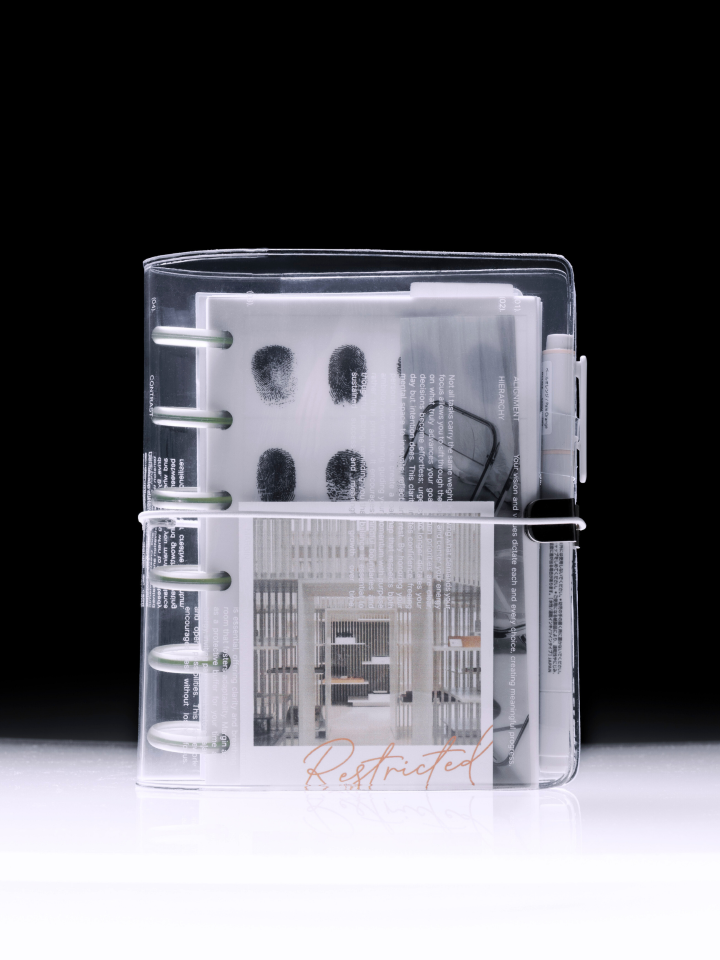
Let me show you how I use the Quad Lined Planner Inserts to offload, organize, and stay grounded. You can see my actual spread in the photo, but here’s how it breaks down:
External Memory
For things that are absolutely forgettable unless you write them down. Think: “Pick up milk. Call Kathy back. Mail Etsy return.”
These are not “big” tasks, but forgetting them creates stress. This section gets them out of my head and onto the page where they can’t haunt me at 2 a.m.
Uninspired but Required
These are the tasks I’d rather avoid but can’t. Cleaning the patio, checking emails, reviewing edits… basically, the adulting stuff. Naming this section what it feels like helps me not resent it.
Cognitive Offloading
This is where I dump the mental whirlwind: half-baked ideas, future goals, random thoughts that feel urgent but don’t belong on today’s to-do list. This is a sacred space for capturing brilliance without needing to act on it yet.
Today’s Plan
Anchors. Appointments. Social things that exist in actual time. It keeps my day tethered to reality while the rest of my brain is building universes in another dimension.

For the Bigger Brain Dumps: Side Quest Central
Not everything fits in the daily planner. That’s why I keep a separate notebook. I call it my side quest journal because it is where I write those bigger thoughts and ideas that could easily send me on a side quest by taking me off focus.
This is where the long-form stuff lives: big ideas, business plans, half-formed novels, niche obsessions, and rabbit holes I want to explore (but not right now). It’s a pressure-free space where my brain gets to play. Because ADHD creativity is gold but needs somewhere safe to land before it evaporates or takes me so far off task that I forget I have a meeting at 2pm!

A Word on Sticky Notes
I love a good sticky note. I really do. But let’s be honest: using them for offloading is like storing your passwords on a napkin. You will lose them. You will forget they exist. And if you’re me, you’ll find one with something cryptic like “chickpeas??” and no idea what that ever meant.
Instead, I use the Circle Sticky Notes as habit trackers. I color in squares for things like self-care, daily routines, or even emotional check-ins. You can see the one on my layout is not for remembering tasks, but for seeing progress. That visual accountability is part of how I make my ADHD brain work for me, not against me.

The Superpowers Cognitive Offloading Unlocks for ADHD Brains
ADHD isn’t a lack of ability. It’s an overflow of it. But that overflow needs containers. When you offload the noise, you give your brain the structure and clarity it needs to fully step into its strengths and those strengths are nothing short of superhuman when channeled with intention.
Here are just a few of the gifts cognitive offloading helps amplify:
Advanced Pattern Recognition
Your brain is a connection machine. ADHD minds are constantly scanning for links, discrepancies, and unexpected patterns which is why so many of us are idea generators, problem-solvers, and emotionally intuitive thinkers. But you can’t spot patterns if your mind is cluttered with logistics and random tasks you’re trying to remember you need to do four hours from now. Offloading frees up space so your brain can shift from remembering to recognizing.
Memory Support Without the Shame Spiral
ADHD working memory can be unreliable. It is not a flaw. Your brain wasn’t built to hold on to dull tasks like stopping to pick up milk. Your brain is literally wired for the exciting, unusual and innovative. Which is why small, simple tasks seem to fall right out of your mind as your brain chooses to focus on complex, challenging tasks instead.
Cognitive offloading creates external memory systems that help you capture those details without the stress of trying to hold them all in your head. When you let your planner or notebook remember for you, things like missed appointments or forgotten errands become rare instead of routine.
Creative Firepower
Ever noticed how you can come up with five solutions in the time it takes someone else to name the problem? That’s your divergent thinking in action. Cognitive offloading protects your creativity from getting buried under life admin. When your plans, chores, and obligations are safely stored somewhere external, your inner visionary has room to breathe.
Hyperfocus (The Good Kind)
When you’re not spending 80% of your day trying to figure out what you were doing or what you forgot, you’re more likely to enter focused flow states. Often we get there by accident, but techniques like this help you reach your focused flow state on demand. Offloading clears the runway so you can take off when inspiration strikes.
Idea Retention (Without the Panic)
You don’t have to act on every idea the second it arrives (although you will want to). Having a designated space like a notebook allows you to catch ideas without having to chase them. That one shift can reduce impulsivity, boost your ability to prioritize, and keep your genius from falling through the cracks.
Why This Works for ADHD Brains
Cognitive offloading reduces decision fatigue, clears space for creativity, and offers a reliable way to interact with your ideas without drowning in them. It helps prevent “task paralysis,” builds executive function over time, and creates external accountability and all while respecting the speed and strength of your ADHD mind.
You don’t need fewer thoughts and ideas. You just need a place to park them.
TL;DR
- Cognitive offloading helps ADHD brains manage limited working memory and reduce overwhelm
- Writing it down is science-backed, not just aesthetic
- Use structured tools like planner inserts and notebooks, not loose sticky notes
- Create sections or categories to help your brain sort what’s urgent, what’s annoying, and what’s creative
- A functional planning system can literally be your second brain




Hinterlasse einen Kommentar
Diese Website ist durch hCaptcha geschützt und es gelten die allgemeinen Geschäftsbedingungen und Datenschutzbestimmungen von hCaptcha.