Waste Time Efficiently
You sit down with a warm mug in your hands, intending to take a quiet ten-minute break. But almost immediately, your fingers reach toward your phone, or your eyes wander over to the stack of mail sitting on the kitchen counter. A familiar tug tells you that you should probably be doing something else instead.
If this feels familiar, you are in gentle company. Learning to rest takes practice, yet very few of us are comfortable doing it as often as we need. Many of us treat downtime as a reward we earn only after hours of hard work. We wait until every item on our to-do list is checked off.
Because we view rest as something left over at the end of the day, we rarely give ourselves permission to pause on purpose. But when we look closer at what rest actually does, our relationship with quiet moments begins to transform.
Why Rest Does Not Come Naturally
It helps to rethink wasting time efficiently as a deliberate lifestyle choice. An intentional habit of making space for quiet moments by stepping into that space without guilt. Just allowing yourself to simply be without needing to achieve anything.
When we do manage to pause, we often expect recovery to happen instantly. When it doesn't, we assume that true rest requires taking endless hours off. In reality, unstructured idling often leaves us feeling more sluggish and disconnected than before.
What rest is actually doing beneath the surface is bringing your body back to a base state. The wonderful result of this practice is that recovery becomes much more responsive. The more familiar your nervous system is with its calm state, the less time it actually takes to settle down and recharge when you take a break. Rest stops being an elusive goal and becomes a simple reset you can tap into throughout your day.

When Doing Less Does More
When is the right time to rest? Science tells us that our bodies move in natural rhythms, dipping every couple of hours. But you do not need a study to tell you when you're drained. The best time to pause is before you hit empty.
Rest works best when it is preventive rather than an emergency response to physical collapse. Pay attention to subtle signals: a heavy sigh, a tight jaw, or a wandering mind. In these moments, remember that sometimes the obstacle is the way forward. Notice where you feel drained. We often assume that feeling tired means we just need sleep, but a real reset happens across many different parts of our daily lives:
Physical Rest: This can be passive, such as sleeping or taking a short nap, or active, such as light stretching or relaxing physical tension in your shoulders.
Mental Rest: Stepping away from complex problem-solving, planning, and continuous inner monologues.
Sensory Rest: Dimming bright overhead lights, muting phone notifications, closing your eyes, and stepping away from constant screen noise.
Creative Rest: Allowing yourself to appreciate beauty without any pressure to analyze or produce anything, such as watching clouds move, listening to soft music, or sitting in a garden.
Emotional Rest: Giving yourself permission to lay down the need to please others, drop any social performance, and be authentic about how you feel.
Social Rest: Distancing yourself from draining interactions and choosing either nourishing solitude or the quiet company of people who make you feel completely at ease.
When you tune into the specific kind of rest you need, downtime becomes an effective act of self-care. But how do you bring rest into a busy life without feeling overwhelmed by it? The secret lies in setting up your surroundings beforehand. You can adopt a simple habit: get ready so you do not have to get ready.
Just as you might prep ingredients ahead of time to make cooking dinner effortless, you can prepare your environment for easy rest:
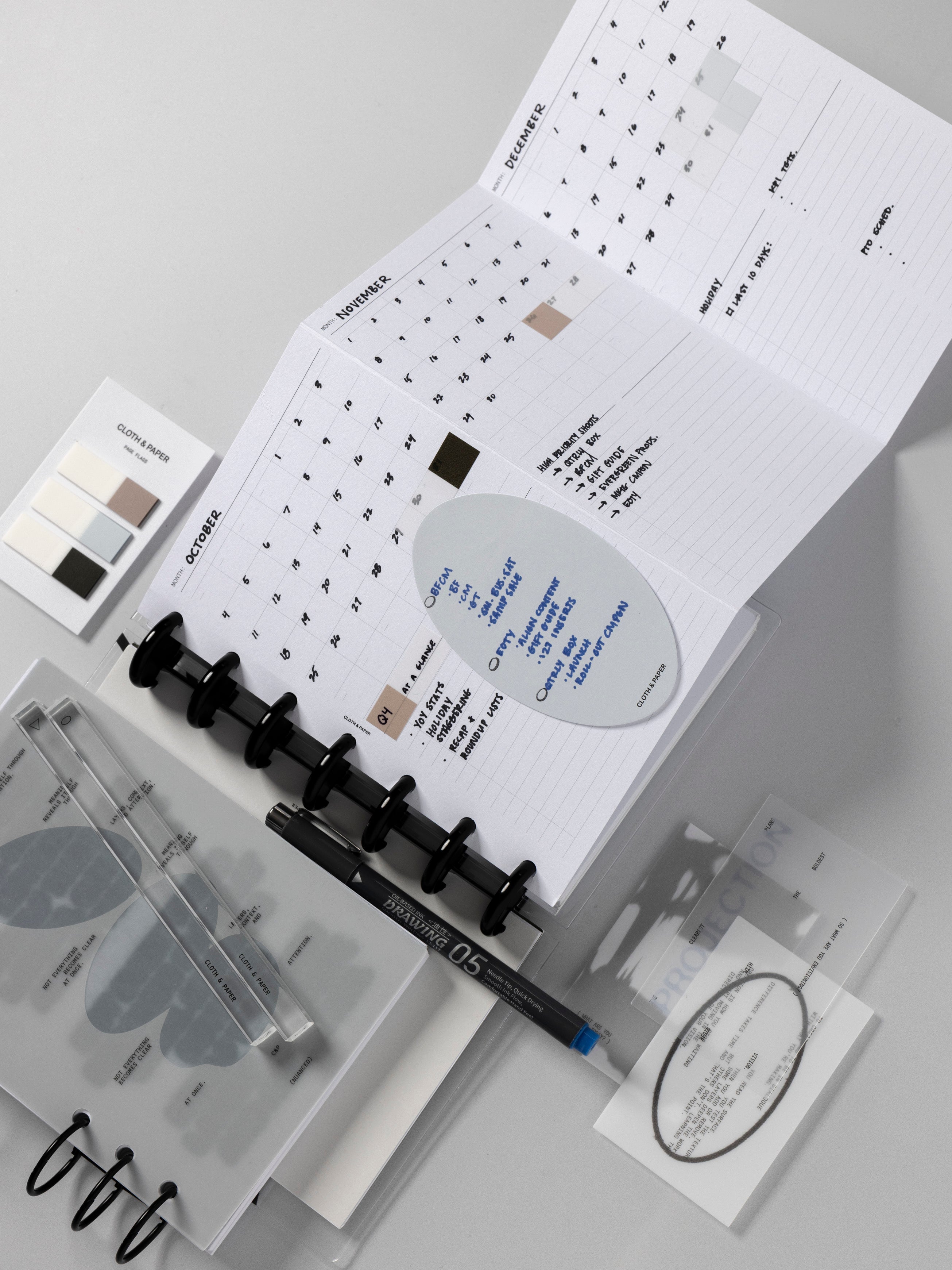
- Jot down a simple list of things that soothe you. Then write down non-negotiable, open pockets of downtime on your weekly spread before filling in every task.
- Keep a comfortable chair completely free of laundry or clutter. When it’s time to pause, you just pick one from the list and enjoy it.
- Leave a favorite fantasy novel, a sketchbook, or a journal sitting on your coffee table.
- Keep a cozy throw blanket within arm's reach.
When rest is planned and accessible, you do not have to negotiate with yourself about it. It belongs in the main structure of our daily lives, not squeezed into whatever tiny leftover cracks productivity leaves behind.

Not All Wasted Time Is Wasted
Think about how you treat the people you love. When a close friend feels tired, you do not demand more output from them. You offer them a hot cup of tea, hand them a warm blanket, and encourage them to sleep. You treat their fatigue with patience, tenderness, and understanding. Why not offer that exact same warmth to yourself?
There will always be another project to finish, another room to clean, and another email to answer. Your to-do list will never truly end, but your energy will. And when you force yourself to push through every deadline, you start moving through your day from a place of detachment. You lose the presence, warmth, and genuine joy that make you who you are.
Resting is not a sign of weakness or a failure to keep up. It is an act of deep kindness to yourself. So step away from work for a moment. Let the clouds float by.



Dejar un comentario
Este sitio está protegido por hCaptcha y se aplican la Política de privacidad de hCaptcha y los Términos del servicio.