2026: The Year We Let The Intrusive Thoughts Win
“We have to continually be jumping off cliffs and developing our wings on the way down.”
— Kurt Vonnegut
There’s something quietly radical about the notion that growth doesn’t wait for readiness. The idea that growth doesn’t arrive wrapped in certainty; it arrives mid-air, mid-sentence, mid-chaos. So often, we have been told to edit ourselves into order: streamline the workflow, clean the desk, silence the noise. But what if the noise is where the magic lives?
We spend so much time trying to silence our own noise. We edit, refine, and rehearse our inner voices into something acceptable when maybe what we actually need is to listen to it’s raw, wild words as they come. Somewhere in the chaos is a creative pulse we’ve been mistaking for distraction.
This is the year we stop sanding down our edges and trying to tame the shrew before we even know her name. The year we let the mind wander, the pen drift, the ideas collide. We decide that the mess isn’t a mistake. It’s the masterpiece in progress.
1. Say Yes to the Spark
“Creativity happens at the border between chaos and order.” — Matthew Fox
Those stray ideas that appear at inconvenient times? They’re not distractions; they’re signals. Those “distractions” are often the most honest version of our creative voice. Most of us are quick to dismiss them. We tell ourselves we’ll get back to the thought later, after the day settles down. But later rarely comes. And those sparks, left uncaptured, fade as quickly as they arrive.
This year, don’t silence it. Follow it. Write it down. Sketch it out. Say yes before you find a reason to say no. You don’t have to chase every idea to completion. Not every spark is meant to be a bonfire. By saying “yes”, you give it space to exist.
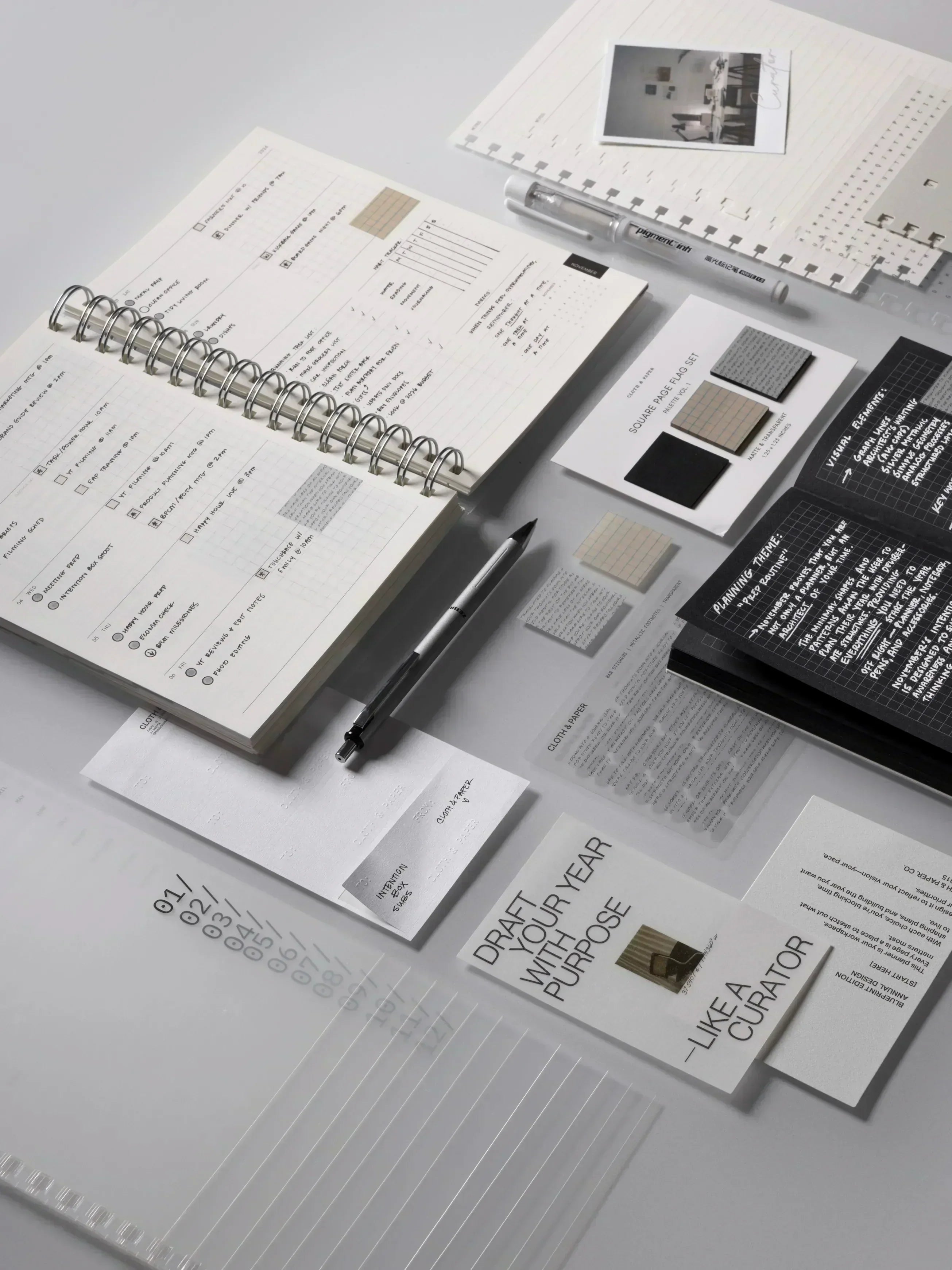
Try this: Keep a notebook like the Commonplace Notebook Set nearby for those in-between moments. Let it hold your mental clutter, unfinished ideas, and random thoughts. This is your mental overflow file. A place where unfinished ideas can live without judgment or purpose.
You don’t have to know what they’re for; you just have to know they matter.

2. Romanticize the Rough Draft
We’ve been told that productivity is the opposite of chaos. Efficiency must be precise, linear, and neat. But creativity doesn’t work that way. It’s circular, impulsive, and often inconvenient. There’s beauty in work that isn’t done yet. The imperfect sketch. The half-thought sentence. The note written in a hurry before you forget it.
The rough draft is the most vulnerable part of the process. It’s where ideas first take form before they know what they are. And yet, we’re so quick to judge it. We’re so trained to produce polished results that we forget how much creativity happens in the unfinished spaces. The rough draft isn’t something to hide. It’s something to celebrate. When you allow your process to show, you stop chasing perfection and start chasing honesty.
This year, try falling a little in love with the unfinished.
Let your notes be messy. Let your handwriting tilt sideways. Draw arrows, cross things out, start mid-sentence. It’s all evidence that you’re thinking, not performing.
Try this: Use an A5 Slim Travel Planner Notebook as your creative sandbox. Draw arrows, add messy lists, circle things that don’t make sense yet. Let your pages look like evidence of thought, not proof of productivity. Use it like a rehearsal space for your ideas. Don’t worry about neatness. Appreciate the way your mind moves and your creativity grows.
Every polished final product started as a scribble someone didn’t delete.

3. Give Your Chaos a Calendar
Chaos isn’t the enemy of structure. They actually can be the best of friends.
Without a little order, ideas float away. Without a little disorder, they never arrive at all. The sweet spot is somewhere in the middle. Finding this balance allows ideas to find form without suffocating creativity.
Planning is a way to give your chaos a home to thrive.
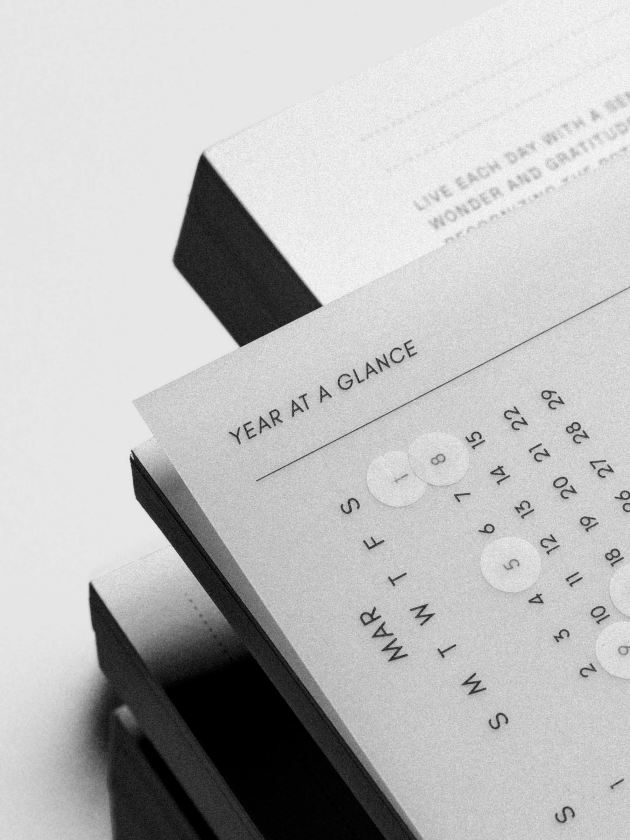
Try this: Use the 2026 Dated Daily Inserts to assign your sparks a time slot to explore. This can be morning pages, sketch breaks, and all the mental meanders. Schedule your spontaneity before the world fills your calendar for you. The best plans don’t demand obedience. They invite participation.

4. Redefine Discipline
We’ve been trained to think discipline means suffering. It’s structure with a side of shame. But what if it’s actually the opposite? What if we reframe discipline as persistent presence? True discipline isn’t about control; it’s about consistency. It’s the decision to keep showing up even when the energy shifts, the clarity fades, or the motivation evaporates. It’s the choice to show up for yourself everyday.
In practice, it means honoring your process, not punishing yourself for it.
It means understanding that some days you’ll make lists. Other days you’ll just make it through. Some days the planets will align and you breathe life into your next great idea. It all counts.
Try this: Reframe your morning or planning ritual as an act of care, not correction. Open your planner and check in with yourself: “What do I have the energy for today?”
Write small affirmations in the margins: “Still progress.” “Messy but moving.”
Your planner doesn’t need to look like a record of achievement. It’s a reflection of endurance.
Creativity thrives not in the moments you’re inspired, but in the moments you choose to stay in conversation with your work even when it’s messy.

5. Trust the Unfinished
Perfection has a way of killing momentum. We stop mid-project, mid-sentence, mid-idea just because we don’t know how it will end. But most things worth doing don’t announce their destination. They unfold as we move through them.
It’s easy to measure success by completion, but growth often looks like staying in motion.
When you start to see incompleteness not as a flaw but as a phase, you stop fearing the unknown and start engaging with it. The unfinished becomes possibility, not failure.
Try this: Revisit your old notebooks. Flip through the half-used pages, the unfinished lists, the sketches you forgot. Notice how much has already transformed without you realizing it. That’s what trusting the process looks like: allowing the story to evolve even when you’re not consciously writing it.

The Takeaway
Letting the intrusive thoughts win isn’t surrendering to chaos. It’s making friends with it.
It’s understanding that creativity doesn’t ask for order first. It asks for attention.
This year, write first and organize later. Plan less for control, more for curiosity. When a thought sparks, follow it. When a plan unravels, rewrite it. When inspiration interrupts your to-do list, let it.
Because somewhere between the plans you keep and the ones that fall apart you find the most authentic kind of progress. The first drafts, the detours, and the cliff dives look messy on paper but those are where your creative magic lives.
2026 isn’t the year we finally get it together. It’s the year we get it, all of it, down on paper.



2 commentaires
Great read! This blog was motivating and really helped me to relax. It’s time to embrace the ride of life, and let creativity flow naturally without the need to control or tame it!
Neci Bryant
This a welcome and brave message, and I think it’s coming at just the right time. Zeitgeist.
Caryn Sobel
Laisser un commentaire
Ce site est protégé par hCaptcha, et la Politique de confidentialité et les Conditions de service de hCaptcha s’appliquent.