Beyond the Trend: Why Analog Will Never Die
Long before we organized so much of our lives on screens, paper was simply where life happened. We wrote letters, filled notebooks, marked pages in books, kept photographs in albums, and made lists on whatever scrap was nearby. Analog didn't start as a trend or a lifestyle statement. It was just how we lived.
That is what makes the current return to paper and physical tools so interesting. At first, it can look like nostalgia. When people are just tired of staring at screens and want something different. But analog has survived every major shift in technology before this. It survived radio, television, personal computers, smartphones, and now artificial intelligence. We keep getting faster and easier ways to store information, yet certain physical objects quietly remain in our hands.
Perhaps that is because they were never only tools. They became part of the human experience.

Analog Is Bigger Than Paper
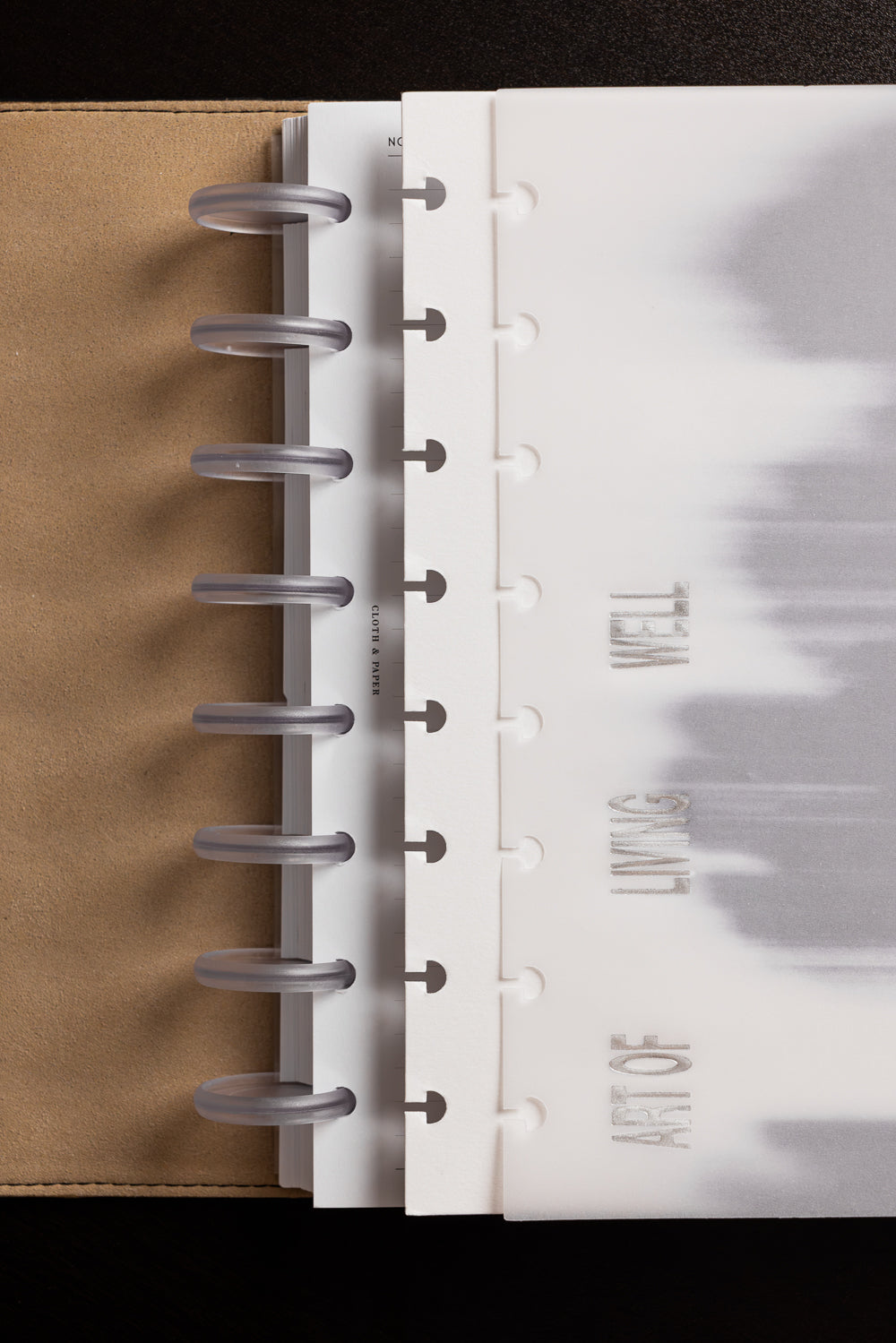
When we talk about analog living, it is easy to picture a notebook and a nice pen. But the idea is much broader than paper and ink alone. It includes anything that gives our inner world a physical, tangible form.
That choice only exists because we have digital alternatives. We can plan, read, take photos, and keep almost everything somewhere in the cloud. Today, choosing something physical has become less about necessity and more about what we want the experience to feel like. We simply reached a point where we would choose to use it again.
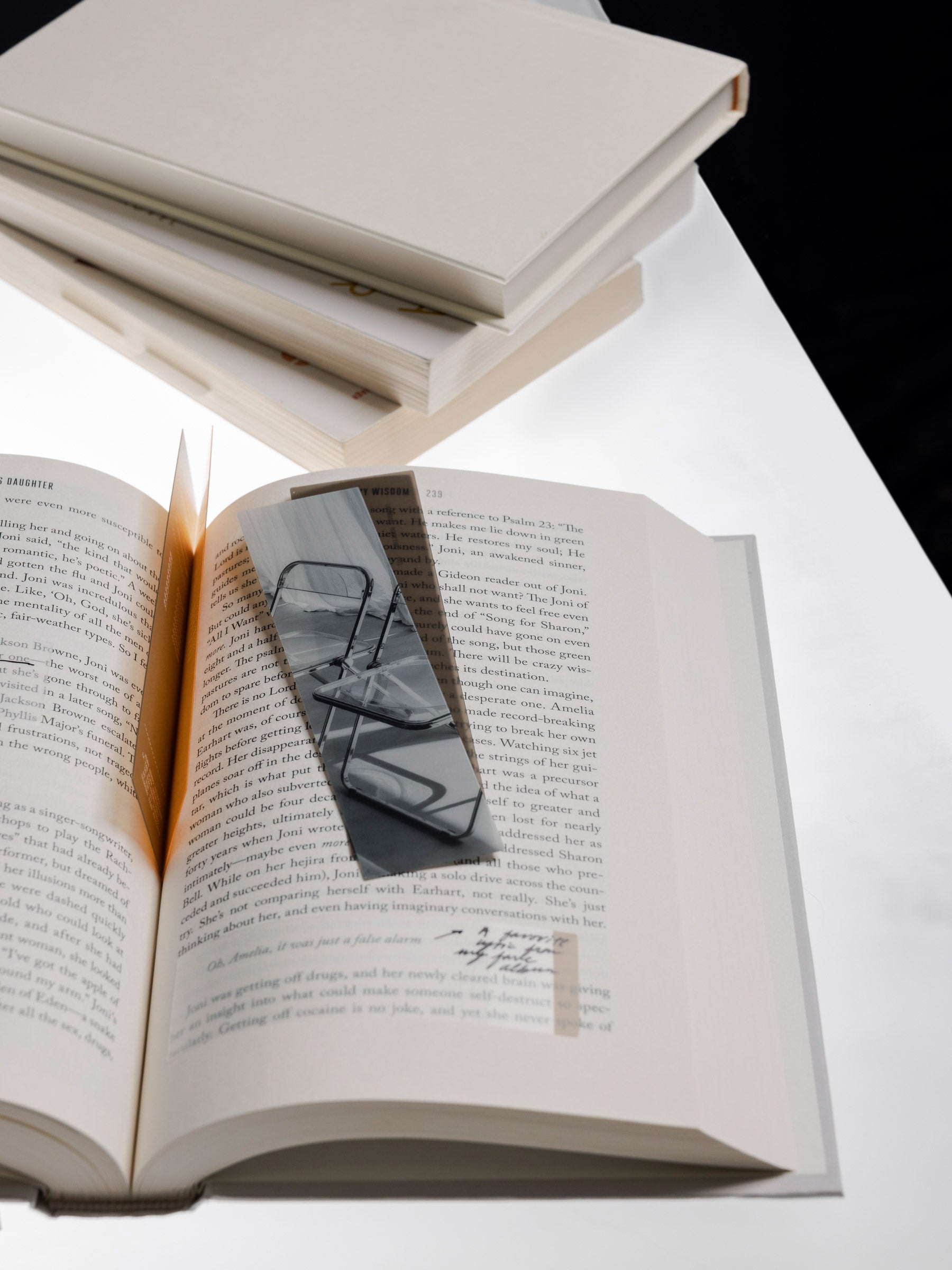
Because of that choice, these objects become far more than mere keepsakes. A handwritten recipe card or a printed photograph can outlive the person who made it. It can tell a story just by noticing the specific paper they chose, the pressure of their handwriting, or a small date scribbled on the back of a photo. Whether we are mind-mapping ideas, or keeping a personal journal, analog gives information a history. It allows our memories and creations to exist outside of us in a way that feels lasting, and deeply personal. And when things are built to last, the way we relate to them changes.

A Different Kind of Value
There is no reason to romanticize the inconvenience of the past, nor does anyone need to pretend the digital age wasn't life-changing. Digital tools make it possible to manage an enormous amount of information. They help us find things in seconds, organize complex schedules, communicate quickly across distances, and clear room for more. In many ways, that is exactly what technology is supposed to do. The question is what we choose to do with the space it gives us.
Having access to more information does not mean everything deserves the same kind of attention. This is where analog becomes a personal choice rather than a limitation. It is also why certain physical things continue to hold their appeal even when newer versions are easier to get.
Think about vinyl records, mechanical watches, hardbound books, or an old photograph. Their value comes from a combination of quality, permanence, true ownership, and choice. This is one reason analog can feel luxurious without being expensive. The small imperfections are part of the value. After all, no matter how digital our routines become, our minds still crave a physical connection to what we do.

What Remains
If digital tools give us back time, analog gives that time purpose. As our tools become better at helping us get things done, there is still the question of what we want to do with the time they give us back. When efficiency gives us more capacity, we can use it for a richer life. We can take our time with something, make plans with people, go somewhere because we feel like it, or simply become interested in something without needing it to lead anywhere. We do not always know where a small choice will lead, or how much of our lives will grow from it. We only know that having the time and freedom to choose leaves room for things to happen.
Not everything has to be measured against what someone else is doing. There is something valuable in having a life that grows from our own choices, at our own pace, while still leaving room for something new. Perhaps that is what we carry forward. The tools will change, and they will continue to give us more ways to save time, but the need to decide what that time is for will remain. Analog belongs to that part of life. It keeps us connected to the simple act of choosing, making, and experiencing things for ourselves. And as long as we continue to do that, there will always be a place for it.

The Future of Now
Analog will continue to change, just as it always has. Some habits fade while others return in new ways, but what remains is our simple desire to remember, to express ourselves, and to hold onto what feels real. Calling analog a trend misses the point entirely. Trends pass because they belong to a fleeting moment, while analog is simply part of how we experience life.
Living in a digital age actually grants us a new kind of luxury: the freedom to choose. We can now pick up ink and paper out of a quiet mindfulness about how we want to make use of our time. And perhaps that is what makes analog feel so modern after all. There is nothing more chic than being intentional about what we carry with us into the future.



Laisser un commentaire
Ce site est protégé par hCaptcha, et la Politique de confidentialité et les Conditions de service de hCaptcha s’appliquent.