A Five Day Reset For Your Time
Sometimes it’s not that you’re bad with time; it’s that you’ve been too available to everyone else and not available enough to yourself. Time and energy are your primary currencies, but most of us were never taught how to pay ourselves first.
If you’ve been around here for a while, you’ve heard us talk about time blocking. In passing, in practice, and in the way we structure our days. We are fans because it is such a simple system to decide where to focus our energy and when. At its core, time blocking is about guarding and budgeting your time like the finite asset it is. It’s about treating your hours with the same care and intention as your spending.

We Guard Our Money, But Not Our Time
“Time is more valuable than money. You can get more money, but you cannot get more time.” - Jim Rohn
Think about your bank account. Most of us track our spending, hunt for deals, and check our balances regularly. But we rarely track our time with that same level of care. We treat time as if it’s infinite, when in reality it’s a steadily shrinking balance.
Time leaks are silent: A $50 charge on your statement gets an immediate "Wait, what?" but forty minutes lost to a mindless scroll feels like nothing until you realize you do it every single day. That’s hours of your life you didn’t consciously choose to spend.
We also give time away too easily. We say “yes” simply because we’re free, not because we want to be there. That’s like letting someone spend your money just because you hadn’t decided what to do with it yet.
People track spending, but rarely track time. We know where every dollar goes, but we couldn't tell you where Tuesday afternoon went. Before we can stop the overspending, we have to see exactly where everything is going, which is why we start by getting honest with ourselves.

A Reset for the Way You Treat Your Time
Over the next five days, you’ll slow down just enough to see where your time is going, decide what deserves it, and put simple protections in place so your days reflect your values. Each step builds on the last, gently shifting you from reacting to your time to choosing how it’s spent.
Day 1: Make your time visible
"It is not enough to be busy. So are the ants. The question is: What are we busy about?" - Henry Ford
You cannot protect what you cannot see. This step shifts you from guessing to actually seeing how your time is spent. Up to now, your relationship with time has probably been shaped by a general feeling of being busy or behind.
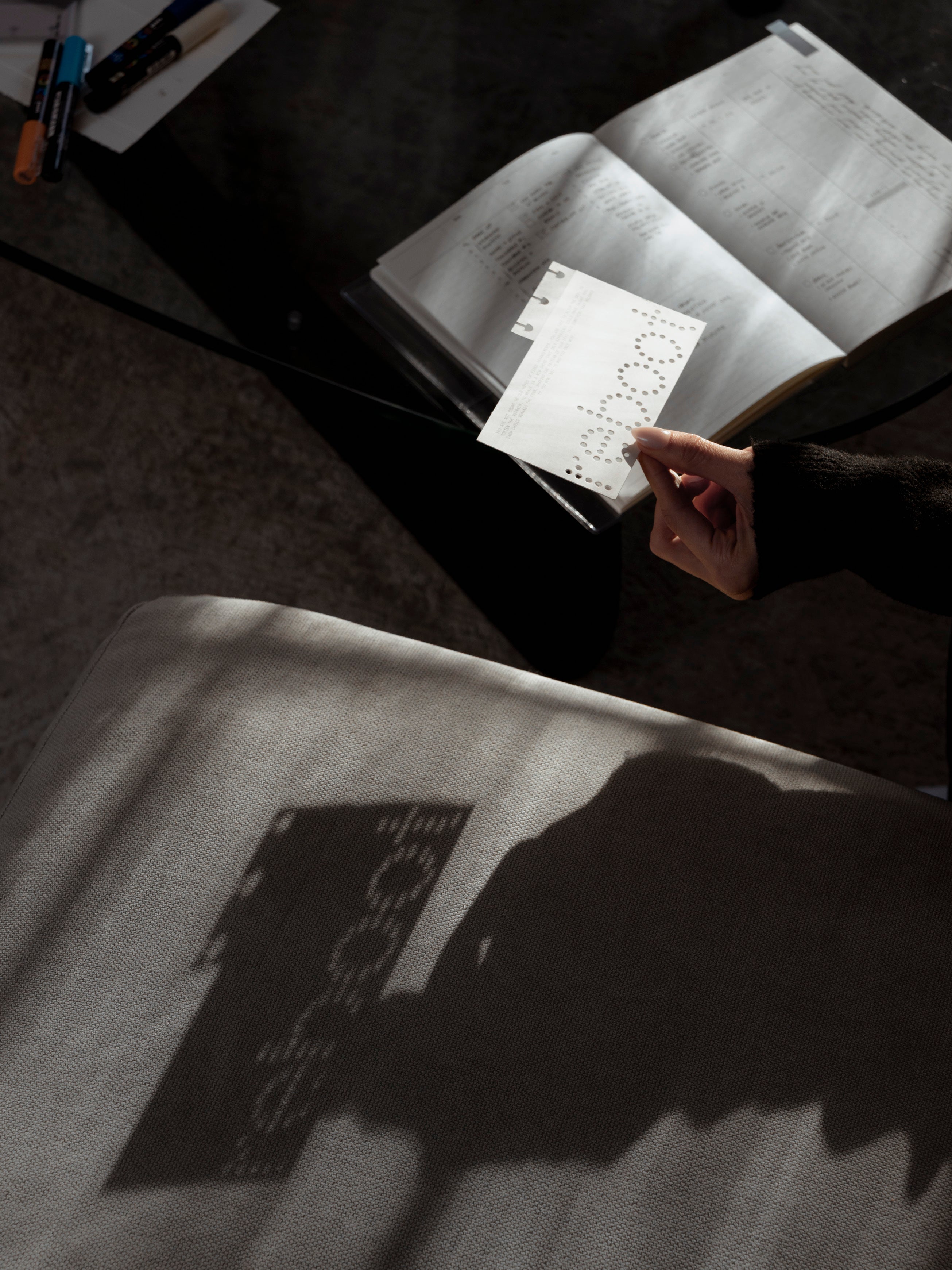
Writing everything down creates a neutral record of how your days actually unfold. You can do this in a notebook, or, if you prefer, use a time-blocking tool like the Long Time Block Sidebar Sticky Note. Today, your only role is to be a historian of your own day.
- Write it down: Track your time as it actually happens.
- Use paper: There is power in the analog-first approach.
- No fixing or judging: This isn't about being perfect; it’s about being honest.
You’re done with this step when you can look at a full day on paper without explaining or defending it. Once your time is visible, the next step becomes unavoidable: you begin to notice where it quietly slips away.
Day 2: Find the leaks
Now that you have your data, it’s time to review it with kindness. Instead of carrying a sense that time is slipping through your hands, you can see exactly where it’s going. That lowers stress because the problem is no longer a mystery. It gives you a grounded way to understand where your energy is actually going before you try to change anything.
Look at your Day 1 log.
Notice what left you feeling tired or hollow (e.g., that 30-minute meeting that could have been an email, or the "quick check" of the news that turned into a void). If your time were energy you were giving away, what would you stop "donating" to immediately?
Once something is named, it stops controlling you quietly. Named time can be protected, limited, scheduled, or intentionally kept. This is where you begin shifting from reaction to actively making a choice.

Day 3: Decide what deserves your time
"You will never find time for anything. If you want time, you must make it." - Maya Angelou
Up to this point, you’ve observed how your time is actually spent and where it slips away without intention. Today is where awareness becomes a decision.
This step is about shifting from reacting to requests and demands to deliberately choosing your priorities. Instead of asking, ‘What needs my attention?’ you begin asking, ‘What earns my time?’
- Identify what gives energy or moves life forward
- Write down three things that deserve protected time
- Write down three things that need boundaries
This work isn’t for an ideal future version of you, and it isn’t meant to correct past mistakes. It’s for the ‘you’ who’s here now, trying to live with more care than urgency. Remember, it’s all about giving your life a little more room to unfold on purpose.
You know you’re done when you can clearly name what deserves protected space in your life and what requires firmer boundaries. With those decisions made, the next step becomes practical: learning how to protect them day to day.

Day 4: Set guardrails
“Time is really the only capital that any human being has, and the only thing he can't afford to lose.” — Thomas Edison
Now that you’ve made a choice, the next step is to protect those decisions in moments when energy, focus, or willpower run low. Don’t get me wrong, we’re not talking about controlling anything or anyone here. The key is to empower and support yourself that makes it easier to live the choices you’ve already made.
-
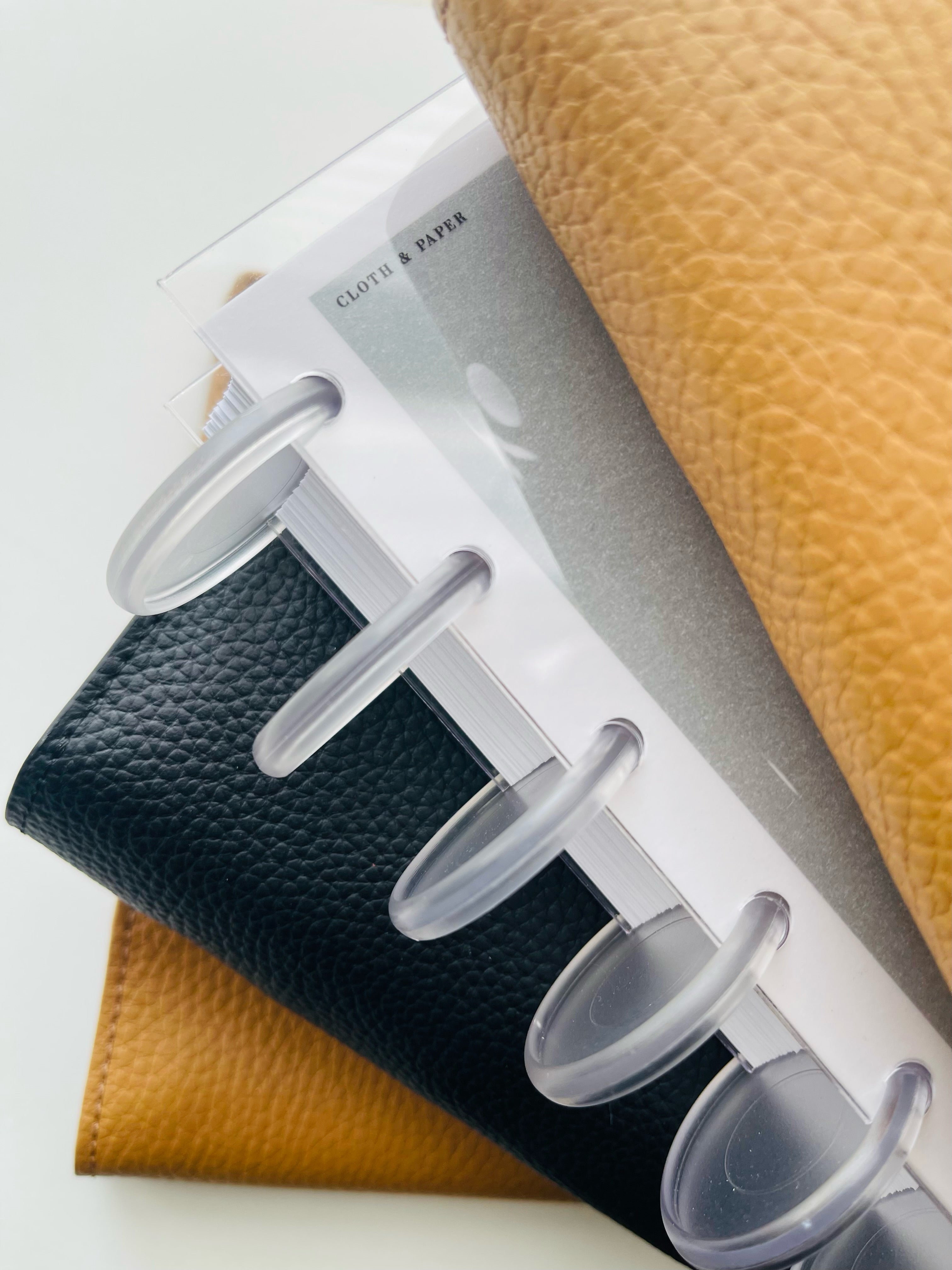
Start by choosing one day to plan, ideally before it begins. You can use the inserts in your planner or if you’re looking for a tool, the 30 Minute Time Block Planner Inserts is a great start.
-
Lightly map out the fixed parts of your day first, such as work hours, appointments, or commitments that can’t move. This creates a realistic container for everything else.
-
Next, place your protected priorities into the open spaces. These are the things you named in the previous step that deserve time and energy. What matters is that they’re given a place, rather than left to chance.
-
Then, gently name how you’d like to relate to common distractions or energy drains and decide when they belong. This might look like setting aside one block for scrolling or giving rest its own block.
- Finally, leave some space unassigned. This isn’t a failure of planning, but part of protection. White space allows for real life, lower energy, or the unexpected without undoing the entire day.
You’re finished when your day feels supported rather than controlled, and your planner reflects your values more than your obligations.
Day 5: Budget your time going forward
"Balance is not better time management, but better boundary management. Balance means making choices and enjoying those choices." - Betsy Jacobson
We end the reset by looking forward. Think of this as your "Time Budget." You are giving every hour a home before the world tries to take it from you. A budget doesn't mean you can't be spontaneous; it just means you aren't being distracted by accident.
Plan the upcoming week with intention.
- The Essentials: Block out sleep, work, and commute first.
- The Investments: Slot in your Day 3 priorities.
- The Margin: Leave "white space" on purpose. Do not book yourself to 100%. Margin is where you breathe. It’s the space where life actually happens.
Remember that a real ‘Time Budget’ gives you the freedom to spend your life on things that actually matter.

Pouring From a Full Cup
Time is the only resource you will ever spend without the option to earn more. Money can be replaced. Opportunities can return. Time does not. When you track your time, you see the truth of what your days are being given to. When you plan your time, you choose what stays and what no longer gets access.
Every day, your time is being spent, whether you decide how or not. Planning is the moment you take that decision back. When you plan your time, you decide what is truly worth your energy, your attention, and ultimately, your life.
Treat time like the asset it is. Write it down. Budget it with intention. Protect it with care.
Time is the most valuable thing any of us will ever possess.

You may also like


5 commenti
Awesome message! As a mom and wife our time gets taken up easily by distractions from the kids and husband. Yet I can see how incredibly important it is to protect “our time”. Thanks for the reminder and strategies for planning our days.
Carolyn DiGioia
After applying the 5 day reset, my mindset has shifted tremendously this week alone. I look forward to incorporating the 5 day reset each week to recalibrate as needed!
Neci Bryant
This was an awesome message. I’ve been time blocking for a while now but this year started off not so great but this inspired me to jump back out there & make the most of my time. Thank You 💕
DeTricka Brown
Excellent article. Thank you!
Paulastyne Moore
What a great message. I never thought about taking time out to track my time. My time is very valuable and I am grateful for it. I can’t wait to track my time and adjust as needed.
Ramona Taylor
Commenta
Questo sito è protetto da hCaptcha e applica le Norme sulla privacy e i Termini di servizio di hCaptcha.