The Anatomy of Quality: Why Paper Craftsmanship Matters
In the 10th century, a high-ranking official received an unusual delivery: a donkey loaded with stacks of coarse, low-quality paper. At the time, this grade of paper was reserved for back-office accounting. It was a calculated insult from a rival; a jab at the Vizier’s well-known love for fine stationery and his magnificent library.
The Vizier, unmoved, accepted the gift graciously. He took the very paper meant to humiliate him and composed a thank-you note upon it. In his letter, he playfully praised the paper’s "durability," suggesting it would be perfect for wrapping oily fish or lining birdcages. Then, he sent the donkey back. This time, it was loaded with thousands of sheets of the most exquisite, silk-smooth paper available.
The Vizier understood a rule of engagement that still rings true today: the quality of your tools is the loudest way to signal your standards. But to appreciate that, we have to look at the science of how quality paper is actually made.

What Makes Paper "High Quality"?
Quality Paper is the result of deliberate choices in materials, process, and design. Where once paper makers were limited to local resources, modern craftsmanship allows artisans and technicians across the world to explore the finest fiber blends.
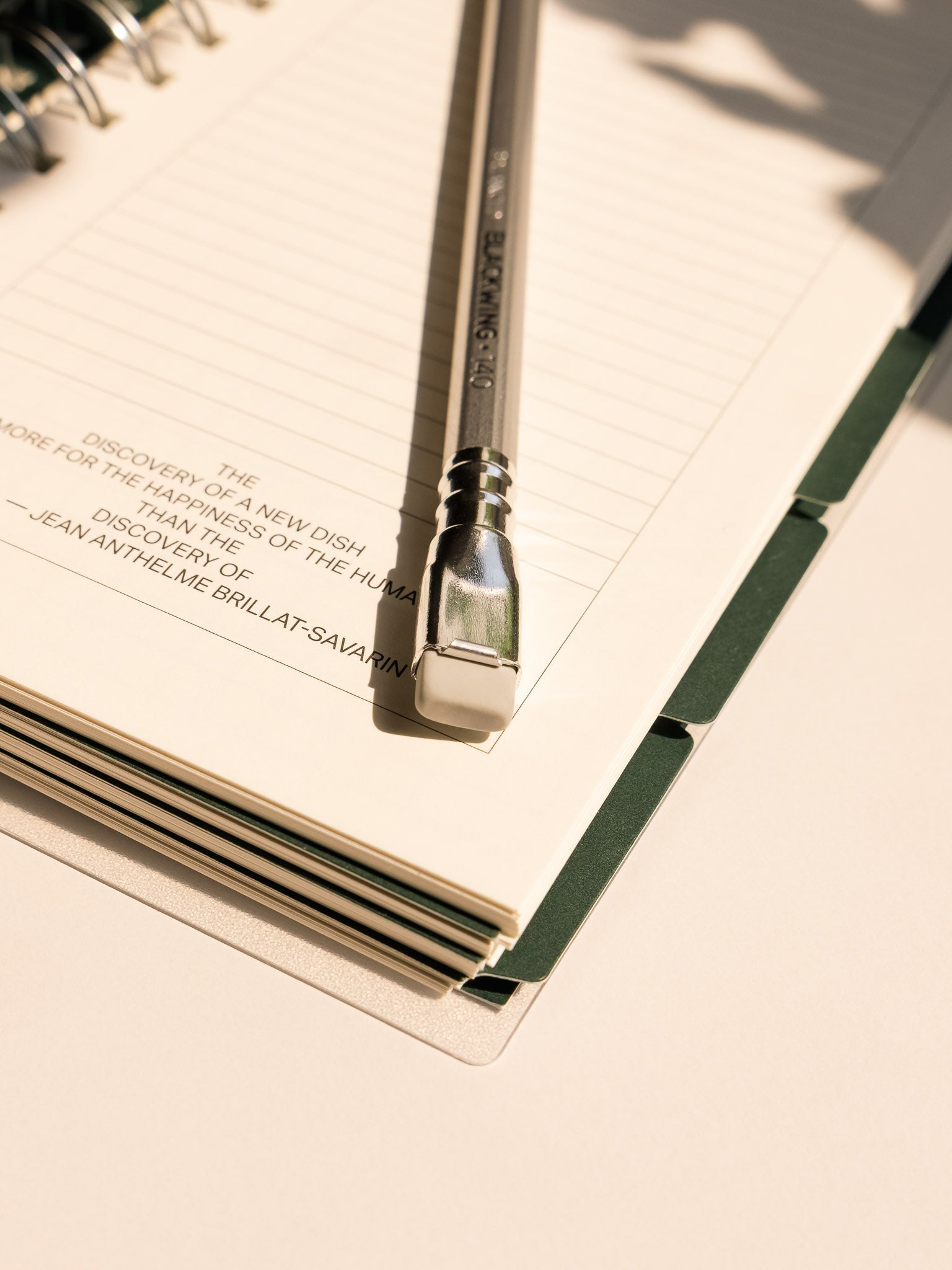
When it comes to craftsmanship, paper weight is where most people notice the difference first. Paper is measured in grams per square meter (GSM). While standard printer paper ranges around 70 or 80 GSM, quality writing paper starts at 100 and climbs from there. Thinner paper is low-cost and often used for newspapers. The extra heft matters as it gives you a stable, reliable surface to write on without any bleed-through regardless of the writing tool you choose.
Texture exists on a spectrum from glass-smooth to what paper makers call "tooth." Smooth paper lets a fountain pen glide without catching, leaving crisp, even lines. Textured paper gives pencils and pastels something to grip, creating variation and depth with every stroke.
Some writers swear that a little texture slows their hand just enough to make them choose words more carefully. Neither is objectively better for specific use, only better suited.
Then there's the chemistry of it all. Sizing or coating refers to how paper is treated to control absorbency, and this is where cheap paper often betrays itself. Unsized paper acts like a sponge. Ink bleeds and feathers, turning your careful lines into fuzzy disasters. Properly sized paper allows ink to dry on the surface just long enough to reveal its properties, its sheen and shading and depth, before settling permanently into the fibers.
Finally, consider the tone. Paper isn't simply white; it ranges from stark blue-white to warm, creamy ivory. High-brightness whites feel modern and crisp but can be harsh under artificial light. Warmer tones feel classic and gentle best suited for personal use rather than official document material.
While the right choice depends on your needs, quality still matters so you get that consistent tone, that same feel, page after page.

Why It Matters for the Writing Experience
You’d think with the advancement of technology, the debate over paper quality would be a thing of the past. It hasn't gone away because, at some point, we’ve all felt the frustration of writing on a bad page. It’s that ick when the paper is so thin that your pen bleeds through or a simple erasure tears a hole in the sheet. It’s a small friction, but it’s enough to make you want to stop.
That frustration is usually what turns a casual writer into a paper enthusiast. You realize that stationery isn't just a commodity, it’s the foundation of the work. It’s like drinking a vintage Bordeaux out of a styrofoam cup. The wine is the same, but the experience is diminished before you even take a sip. The same thing happens to your thoughts. When the paper feels flimsy, you tend to treat your ideas as disposable, too. You write faster and more carelessly, tolerating a mess because the page doesn’t feel like it’s meant to last.

The Craftsmanship Behind the Page
Recognizing the disparity between what writers expect and what mass-market stationery often provides informs our product decisions. At Cloth & Paper, our sourcing philosophy is simple. We start with exceptional raw materials and control variables to produce great paper. While milling our own paper isn't the common approach, it is the only way to ensure that the texture and weight are consistent every time.
To get a quality heavy-weight paper stock, we decided to make each insert domestically. Testing is an essential aspect of the process to ensure that the paper can withstand the pressure of daily use and the flow of most inks wonderfully. Alcohol-based markers still bleed through, but conventional pens and fountain inks rest cleanly on the page with no ghosting.
We look forward to continuing this approach for years to come, refining these materials so that your planning tools remain the most dependable part of your routine. That level of craftsmanship isn't just about the product; it’s about what it enables you to do.

The Case for Investing in Your Tools
The journey of turning your thoughts into reality is already demanding. It asks for focus, vulnerability, and a surprising amount of mental energy before you've even started. So here's the problem no one usually talks about: when your tools are subpar, they don't just fail to help. They create a subtle, constant friction that chips away at your energy one tiny mishap at a time.
And here's what that friction really costs you. It steals your attention. Instead of sinking into your craft, you're spending your time and energy managing your materials. That might sound small, but small interruptions add up fast. Enough of them, and writing starts to feel like a chore instead of a release.
Which brings us to the real reason investing in quality tools matters. Removing the friction entirely allows you to think clearer. That's where the "buy less, buy better" philosophy stops being a slogan and starts being practical advice. It's about conservation. Not just of paper or ink, but of your attention and your momentum.
One exceptional journal that you reach for daily, that feels good every single time you open it, is infinitely more valuable than a drawer full of forgettable notebooks abandoned after a few frustrating writing sessions. You are engaging in a craft, and every craft deserves proper instruments. They simply allow you to get to work.

You may also like



コメントを書く
このサイトはhCaptchaによって保護されており、hCaptchaプライバシーポリシーおよび利用規約が適用されます。