Experiencing Media > Consuming Media: A Case for Paying Attention to the Things We Love.
Every act of experiencing begins with consumption, but very few moments of consumption ever become an experience. It is easy to confuse the two because they frequently happen at the exact same moment. You press play on a track, open a book, or stream a film. They may feel the same, but consuming media is a one-way engagement. The thing just passes through you without really reaching you.
Don't get me wrong: not everything we watch, read, or listen to needs our full attention. Some media is intentionally created to be taken in lightly, and there is nothing wrong with meeting it at that level. The problem arises when passive consumption becomes our default setting. Suddenly, we are treating everything we say we love with that same casual distance.
The Shape of Quiet Consumption
Consumption tends to favor volume. How many shows did you finish? How many books did you read this year? Have you tried the latest trend yet? The numbers are easy to track because consumption is easy to measure. You finish something and realize you can only describe its plot. And you do not feel any urge to talk about it with someone else.
But experience is different. You might come across a short film, hear one line of a song or read something once, and remember that moment for years. Nothing about those experiences is particularly efficient.
Over time, this can affect more than memory. If we move quickly through everything, we can lose track of what we actually like. We know that we "consume" content, but we may never have spent enough time with any of them to develop a real preference.
We also lose the chance to build a relationship with the things we love. And it becomes harder to connect with other people through them. It is difficult to have a meaningful conversation about something you barely remember experiencing.
Our media platforms make this especially easy. Feeds, autoplay, and subscriptions are designed around continuation. It's so easy to have a library, available almost instantly is a remarkable thing. What deserves our attention is what happens after access: the pressure to keep moving. There is always something else to see before you have finished thinking about what you just saw. Even when you encounter something genuinely good, the next suggestion arrives with the same urgency.
Recognizing that something deserves more from you is often the easy part. You might catch yourself saving an article to a folder, hitting a favorite button, or adding a movie to a list. Yet, those folders are often where good intentions quietly sit unused. The moment of saving something is not the experience itself. The real effort lies in returning to it and giving it your undivided presence.

Dropping the Guard
“To be sensual, I think, is to respect and rejoice in the force of life, of life itself, and to be present in all that one does, from the effort of loving to the breaking of bread.” — James Baldwin
Experiencing media starts with something you have to actively do: lower your inner defensive filter. That might sound counterintuitive when the goal is to pay closer attention, but a genuine impression doesn't happen on a blank slate. It happens when what you consume touches something already alive inside you: a memory, a belief, a past emotion. That's why the same song can deeply move one person and leave another indifferent.
You usually get a signal when something deserves more from you. You bookmark an essay, tap a heart icon, or save a video to "watch later." But that instinct is where most people stop. Saving isn't experiencing, and those folders are often where good intentions go to collect digital dust. To actually experience the work, you have to go back to it and go back differently.
That's harder than it sounds, because attention alone doesn't get you there. You can pay full attention while still keeping your distance to evaluate and seek what's next. That thinking voice is what has to quiet down.
When you manage to lower your guard, a story or song meets the memories, fears, and relationships you already carry. It's not a technique you can command yourself into. What you can do is stay open long enough for a connection to form. The first sign that it's forming is friction.
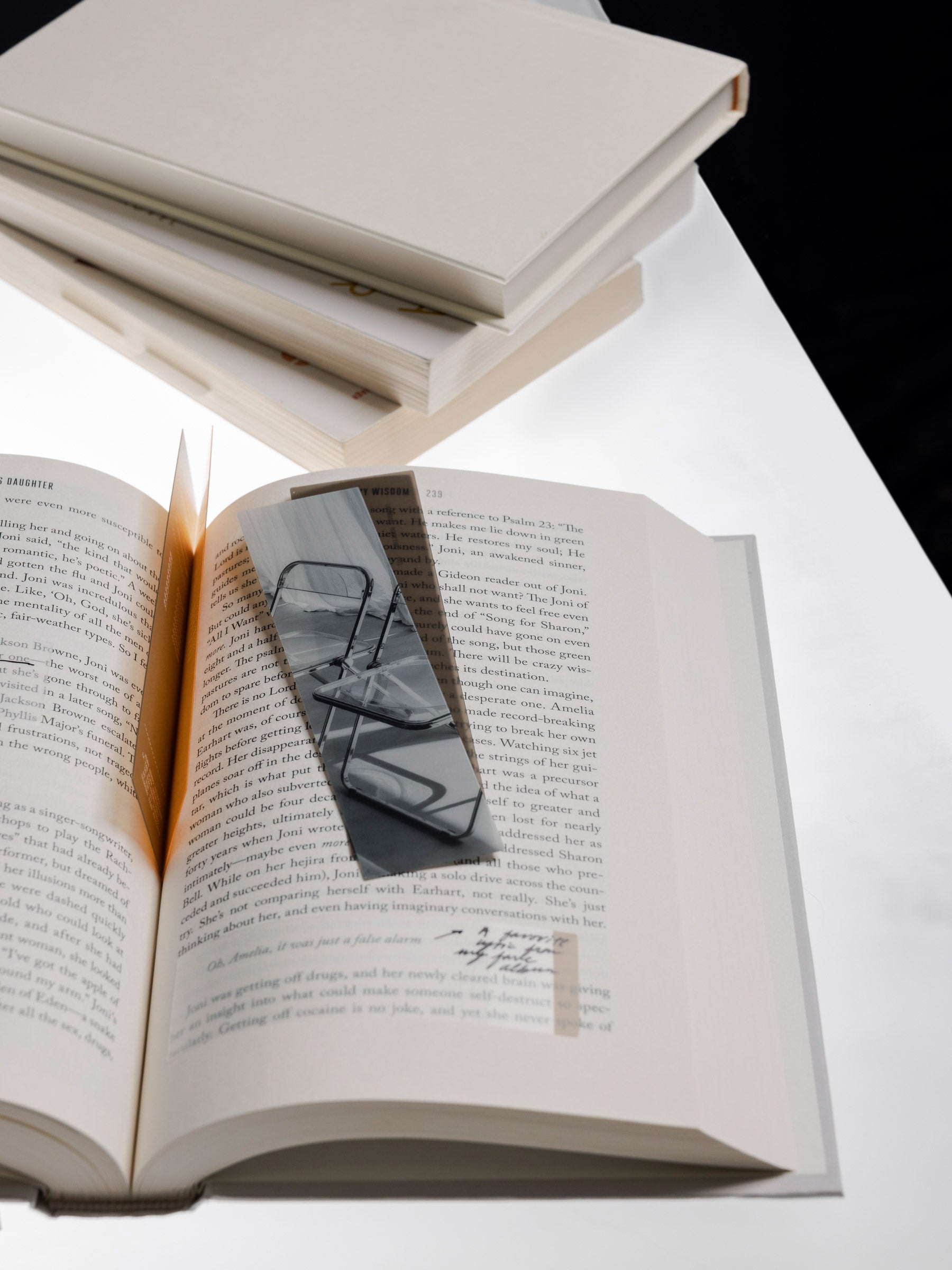
Friction is anything that slows the stream down enough to catch on to something real. Sometimes it happens when a line surprises you; a scene drags on longer than you thought it would. But you can also create it yourself, in what you do with the moment. You can pause to highlight a sentence, jotting a quote in a commonplace notebook, or mimicking a character when the credits roll. These small physical habits are what breaks the cycle and turn a fleeting impression into something lasting.

The Cost of Openness
Even when we want to pay closer attention, several natural barriers get in the way.
Dropping your guard requires emotional availability. If you're exhausted, overwhelmed, or going through a stressful period, you may simply not have the bandwidth to let something affect you. In those moments, passive consumption serves as a protective wall, and that protection is sometimes necessary. You're not broken for wanting to watch something and feel nothing. The danger isn't the occasional retreat, but mistaking it for a habit. It's just keeping everything out, including the things that might have actually helped.
Second, an experience requires something inside you to connect with. Someone with wider references or a richer emotional vocabulary naturally has more material to work with. That doesn't mean younger or less experienced viewers can't engage deeply. Engagement runs on curiosity instead. It creates a willingness to be affected, even if the depth of that landing changes as a person grows. Early acts of curiosity are often seeds for experiences that fully realize themselves later.
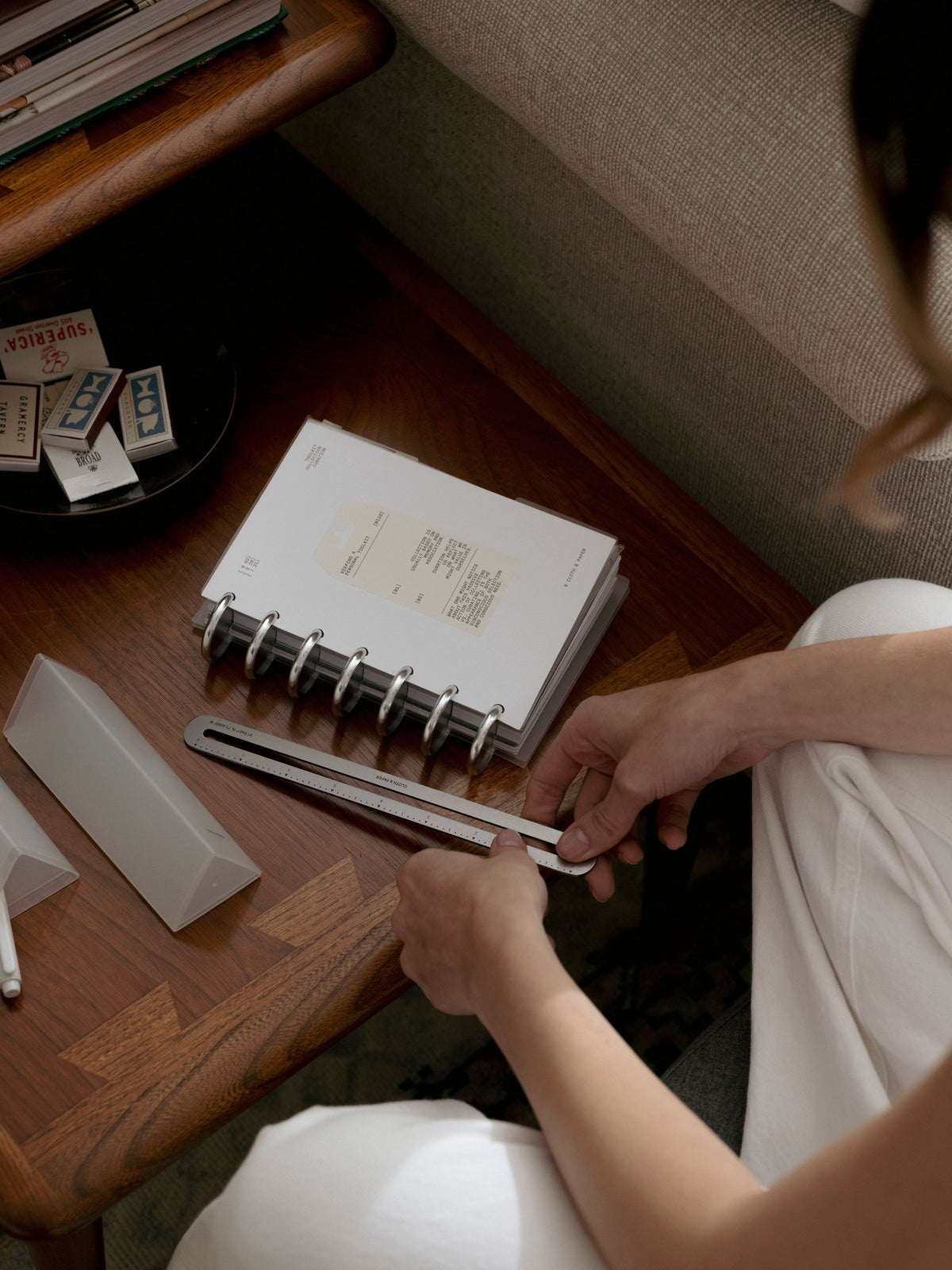
Third, modern delivery systems actively design friction out of the process. Platforms remove pauses because a pause is a chance to stop scrolling, and stopping is the one thing the algorithm can't afford. Reclaiming control means building the pause back in yourself. It can be a physical watchlist instead of an autoplay queue, a notebook page where you jot down what you want to revisit instead of a "saved" folder that quietly refills itself. The friction the platform removed, you put back with a pen and paper.
Finally, carrying an experience forward requires mental slack. If every spare moment of your day is filled with immediate input, there is no space for the impact to register. The initial impression gets instantly overwritten by the next piece of content in line. Recognizing these limits brings a useful realization: you cannot, and should not, try to deeply experience everything. Attention, time and energy are finite. The goal is not to turn every piece of media into a profound event, but to regain the ability to choose when to slow down for the things that truly matter to you.

A Different Way to Engage
Stop treating everything you love like content you need to get through. Consuming asks nothing of you. It costs no emotional energy and slides easily into the empty spaces of a busy day. You'll say consuming is easier, but easier isn't the point.
Let yourself notice what catches you, irritates you, confuses you, what gives you hope. The next time a piece of music, a film, or a piece of writing feels like it's asking for more, resist the urge to evaluate it right away. Don't treat it like content to clear from a queue. The next time you reach for something you love, don't ask how quickly you can get through it. Ask what might happen if you stayed.
Get uncomfortable. Leave a little empty space after it ends, and see what remains.
You may also like


发表评论
此站点受 hCaptcha 保护,并且 hCaptcha 隐私政策和服务条款适用。